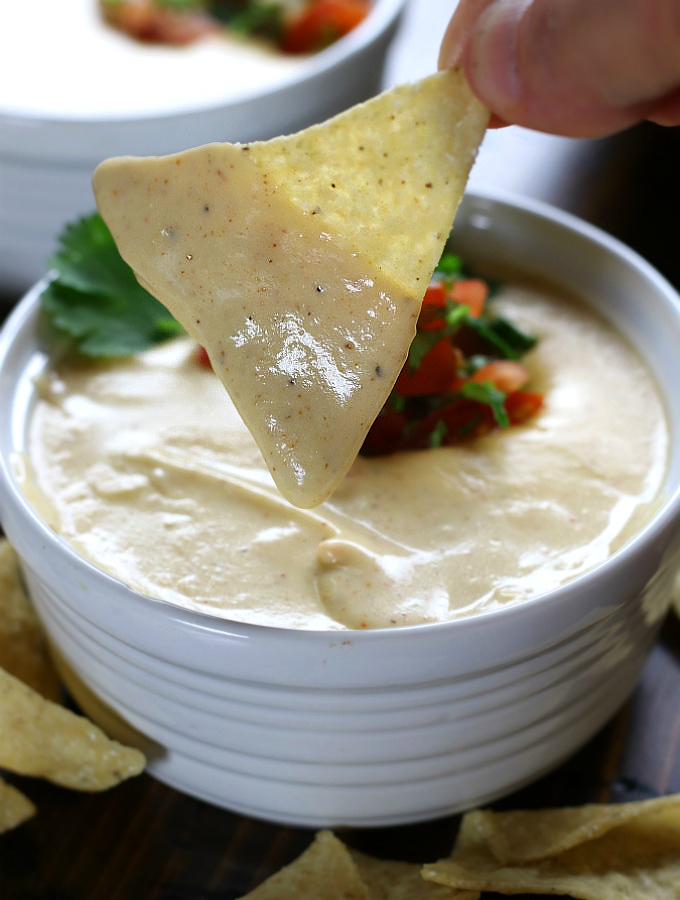
Make Creamy Nacho Cheese: Tips for a Silky Smooth Dip
Imagine the ultimate party centerpiece: a bubbling pot of rich, creamy nacho cheese, so irresistibly smooth it beckons everyone to gather round. Whether you're hosting a game day showdown, a cozy movie night, or simply craving the ultimate comfort food, mastering the perfect nacho cheese recipe is your ticket to culinary stardom. Forget the bland, gluey stuff; we're talking restaurant-quality decadence that clings perfectly to every chip, fry, and pretzel. Get ready to transform ordinary snacking into an extraordinary experience – it’s time to dive into the art of the perfect dip!
Achieving that coveted silky-smooth texture might seem like a secret held by concession stands, but with the right techniques and a few crucial tips, you can replicate (and even surpass) that cheesy perfection right in your own kitchen. This comprehensive guide will walk you through everything you need to know, ensuring your homemade nacho cheese is always dreamy, never lumpy, and always the star of the show.
The Quest for Silky Smooth: Why Most Nacho Cheese Falls Short
We've all been there: eagerly dipping into what we hoped would be a luxurious cheese sauce, only to encounter a grainy texture, a greasy film, or worse, a lumpy, broken mess. These common pitfalls often stem from a misunderstanding of a few key principles in cheese sauce creation. The ideal nacho cheese should be pleasantly tacky, enveloping dippers in a glossy, uniform coating without feeling heavy or oily. It should maintain its warmth and consistency, inviting continuous dipping without solidifying too quickly.
The secret to avoiding these disappointments lies not just in the ingredients you choose, but crucially, in how you prepare them and the technique you employ. From the type of cheese to the way you melt it, every step plays a vital role in achieving that coveted velvety finish. Let's unlock the secrets to a nacho cheese recipe that consistently delivers perfection.
Essential Ingredients for Your Ultimate Nacho Cheese Recipe
While the beauty of a great nacho cheese recipe often lies in its simplicity, the quality and preparation of a few core ingredients are paramount. Here’s a breakdown of what you’ll need and why each component is vital:
- The Cheese (And Why Shredding Matters): This is non-negotiable: shred your own cheese! Store-bought pre-shredded cheese is coated in anti-caking agents like cellulose or potato starch to prevent clumping in the bag. While convenient, these agents also prevent the cheese from melting smoothly, often leading to a grainy, lumpy, or even greasy sauce. Hand-shredded cheese melts beautifully and evenly, resulting in that dreamy, seamless consistency we crave. For flavor, sharp cheddar provides a bold, tangy profile that stands up well to hearty dippers. For a milder, classic "concession stand" texture, white American cheese is fantastic. You can also experiment with a mix of Monterey Jack for stretch, Pepper Jack for a spicy kick, or even a touch of cream cheese for extra richness.
- Unsalted Butter: Butter serves multiple purposes in our nacho cheese recipe. It forms the base of our roux (more on that next), providing a rich flavor, and helps to emulsify with the milk and cheese, contributing to that extra silky texture. Opt for unsalted butter so you can control the overall saltiness of your dip.
- All-Purpose Flour: This is your thickening agent. Combined with butter, it creates a roux, which provides the necessary body and prevents the cheese from breaking or becoming too thin. A well-cooked roux also helps to stabilize the sauce, ensuring perfect consistency every time.
- Milk (or Cream): The liquid component. Milk creates a smooth and creamy consistency, preventing the cheese from clumping together. Whole milk is generally recommended for its fat content, contributing to a richer mouthfeel. If you want an even more decadent dip, a splash of heavy cream can elevate it further. Keep extra milk handy; it's your best friend for adjusting the sauce's thickness.
- Salt: Crucial for balancing the rich, fatty flavors of the cheese, butter, and milk. Salt doesn't just add flavor; it enhances all the other flavors present. Taste and adjust as you go!
- Cayenne Pepper (Optional): For those who love a little heat, a pinch of cayenne pepper adds a subtle warmth and depth without overpowering the cheesy goodness. It's entirely optional but highly recommended for a classic nacho experience.
Mastering the Nacho Cheese Recipe: Step-by-Step Perfection
The magic happens on the stovetop, where careful technique transforms simple ingredients into an extraordinary dip. Follow these steps for a foolproof nacho cheese recipe every time:
- The Perfect Roux Foundation: In a medium saucepan, melt 2 tablespoons of unsalted butter over low heat. Once melted, add 2 tablespoons of all-purpose flour. Whisk constantly for about 1 minute. The goal here is to cook out the raw flour taste and incorporate it fully with the butter. The mixture should form a smooth paste and turn a pale blonde color. Cooking on low heat prevents scorching and ensures a smooth base.
- Building the Velvety Base: Slowly and steadily pour in 1 cup of milk (or half-and-half for extra richness) into the roux while continuously whisking. This gradual addition helps prevent lumps. Continue whisking as the sauce gently heats and thickens. It should become smooth and coat the back of a spoon without feeling watery. If it seems too thick, add another splash of milk.
- The Cheese Melt Magic: This is where patience pays off. Remove the saucepan from the heat (or reduce heat to very, very low). Gradually add your 2 cups of freshly shredded cheese, a handful at a time, whisking vigorously after each addition until fully melted and smooth before adding more. Melting cheese off the direct heat or at very low temperatures prevents it from seizing, separating, or becoming greasy. The residual heat from the roux and milk base is usually sufficient to melt the cheese beautifully. Continue whisking until the entire mixture is glossy, uniform, and completely free of lumps. This is the moment your nacho cheese recipe truly comes to life! You can learn more about why shredding matters in this dedicated article: Unlock Restaurant-Quality Nacho Cheese: Why Shredding Matters.
- Season and Serve: Taste your creation. Add about 1/2 teaspoon of salt, or more to taste, to enhance the flavors. If desired, stir in a pinch of cayenne pepper for a subtle kick. Whisk one final time before serving. The finished texture should be glossy and smooth, coating a spoon evenly without breaking or becoming greasy.
Beyond the Stovetop: Alternative Nacho Cheese Recipes & Tips
While the stovetop method is a classic, there are other fantastic ways to achieve creamy nacho cheese, especially when catering to different needs:
- Slow Cooker Nacho Cheese: Ideal for parties, the slow cooker method ensures perfectly melted cheese without scorching and keeps the dip warm for hours. Simply combine your cheeses (white American is excellent here for classic texture), milk, and a little cornstarch slurry (for thickening) in the slow cooker. Cook on low, stirring occasionally, until smooth and melted. This method requires minimal active prep (often under 5 minutes) and can have restaurant-quality dip ready in under two hours.
- Microwave Nacho Dip: For a quick, fuss-free single serving or small batch, the microwave can be your best friend. Combine just three quality ingredients (shredded cheese, a splash of milk, and perhaps a pinch of cornstarch) in a microwave-safe bowl. Heat in short bursts (30-60 seconds), stirring well after each burst, until smooth and melted. This delivers maximum flavor with minimal effort for instant satisfaction.
Pro Tips for Perpetual Perfection:
- Temperature Control is King: Always cook your cheese sauce over low to medium-low heat. High heat can cause cheese to seize, separate, and become greasy.
- Whisk, Whisk, Whisk: Constant whisking, especially when adding milk and cheese, is your best defense against lumps and ensures a homogeneous sauce.
- Don't Overcook: Once the cheese is melted and the sauce is smooth, remove it from the heat. Prolonged cooking can lead to a broken, oily sauce.
- Adjusting Consistency: If your sauce is too thick, gradually whisk in a little more warm milk until it reaches your desired consistency. If it's a touch too thin, you can try simmering gently for another minute (being careful not to overcook) or adding a tiny cornstarch slurry (1 tsp cornstarch mixed with 1 tsp cold water) and whisking until thickened.
- Serving Suggestions: Beyond classic tortilla chips, consider drizzling your creamy nacho cheese over crispy potato wedges, roasted potatoes, tater tots, or using it as a decadent dip for crispy vegetable crudités (bell peppers, carrots, celery). It's also an incredible topping for soft pretzels, hot dogs, burgers, or even mac and cheese. For an elevated presentation, transfer the warm dip to a small cast-iron skillet and garnish with thinly sliced jalapeños or fresh cilantro.
Troubleshooting Common Nacho Cheese Problems
Even with the best intentions, sometimes things don't go perfectly. Here’s how to fix common issues:
- Lumpy Sauce: The most common culprit is pre-shredded cheese or adding cheese too quickly to a hot liquid.
- Fix: If it's slightly lumpy, continue whisking gently off the heat. If it's very lumpy due to pre-shredded cheese, you can try straining it through a fine-mesh sieve (though you'll lose some volume) or blending it with an immersion blender to try and smooth it out. Prevention (shredding your own cheese) is key here!
- Greasy/Separated Sauce: This usually happens from overcooking the cheese or cooking at too high a temperature. The fat separates from the solids.
- Fix: Remove from heat immediately. Try whisking in a tablespoon or two of cold milk or even an ice cube, whisking vigorously. The cold liquid can sometimes help re-emulsify the sauce.
- Too Thick/Thin:
- Fix for Too Thick: Gradually whisk in small amounts of warm milk until the desired consistency is achieved.
- Fix for Too Thin: If it's slightly thin, continue simmering gently for another minute, whisking constantly. If still too thin, mix a teaspoon of cornstarch with a teaspoon of cold water to form a slurry, then whisk it into the sauce and simmer for another minute until thickened.
Making homemade creamy nacho cheese is a rewarding experience that elevates any gathering or solo snack session. By understanding the role of each ingredient and employing careful technique, particularly with shredding your own cheese and controlling the heat, you can consistently achieve that coveted silky-smooth, restaurant-quality dip. So gather your ingredients, fire up your stove, and get ready to impress with your perfect nacho cheese recipe. Happy dipping!
